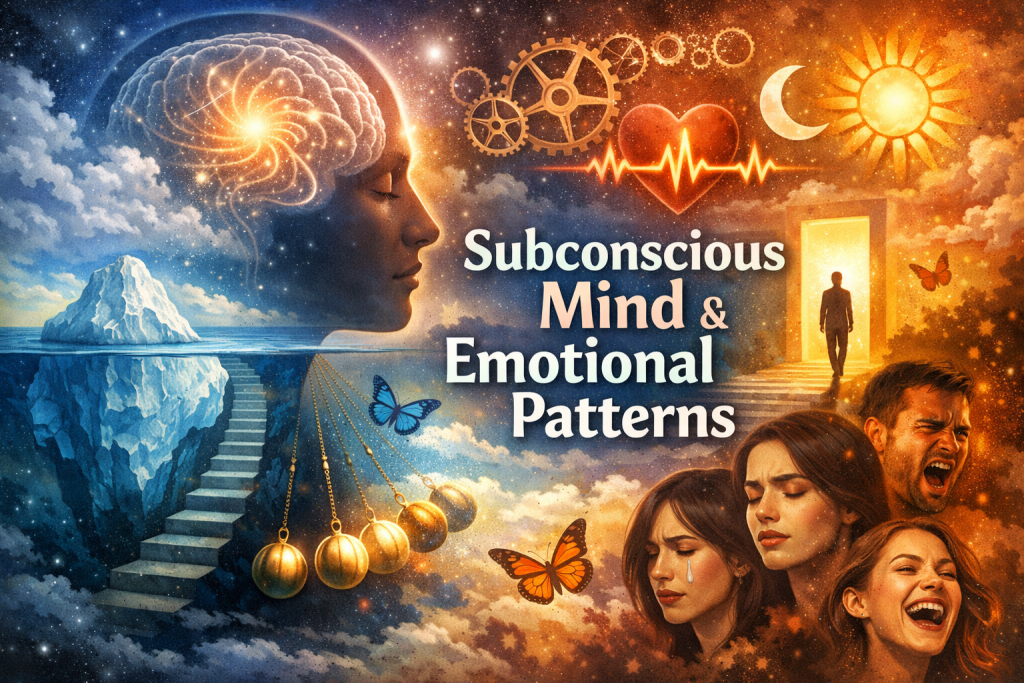

Understanding childhood trauma healing,Same Emotional Patterns, Inner Child Healing, emotional regulation, and relationship patterns through a compassionate, science-informed lens
Have you ever wondered why you keep reacting to certain situations in the same way, even when you know it is hurting your relationships, your peace, or your wellbeing?
- You fear being abandoned, even in stable relationships.
- You become defensive when someone gives feedback.
- You over-explain yourself to avoid disapproval.
- You struggle to set boundaries without guilt.
- You keep attracting emotionally unavailable people.
- You feel “too sensitive” or “not enough,” no matter how much you achieve.
Many adults believe these are simply personality flaws, but in reality, they are often learned emotional survival patterns rooted in childhood experiences.
At Skanda Wellbeing, we believe that true transformation begins not by blaming yourself, but by understanding the younger part of you that learned how to survive emotionally.
This is the heart of inner child healing.
What Is the Inner Child?
The term inner child refers to the emotional memories, unmet needs, beliefs, and coping strategies formed during childhood.
It is not about becoming childish. It is about recognizing that early experiences continue to influence:
- Emotional regulation
- Self-worth
- Relationship patterns
- Trust and intimacy
- Conflict responses
- Stress management
- Attachment styles
- Decision-making
- Personal boundaries
The child you once were may no longer exist physically, but the emotional imprints or Same Emotional Patterns of those experiences can continue to shape your adult life.
Why Emotional Patterns Repeat
One of the most important concepts in childhood trauma healing is this:
The nervous system prefers what is familiar, even when it is painful.
If a child grows up experiencing criticism, emotional neglect, unpredictability, rejection, or conditional love, the subconscious mind learns:
- “I must earn love.”
- “My needs are a burden.”
- “Conflict is dangerous.”
- “I have to keep everyone happy.”
- “I cannot trust people.”
- “I am only valuable when I perform well.”
As adults, we often recreate situations that confirm these early beliefs, not because we want to suffer, but because the subconscious is trying to make sense of what feels familiar.
Common Repeating Relationship Patterns
The People-Pleaser
Childhood experience: Approval was linked to being helpful, quiet, responsible, or emotionally accommodating.
Adult pattern: Difficulty saying no, fear of disappointing others, resentment from over-giving.
The Perfectionist
Childhood experience: Love, attention, or safety felt connected to achievement and avoiding mistakes.
Adult pattern: Chronic stress, burnout, self-criticism, fear of failure.
The Emotionally Withdrawn Adult
Childhood experience: Emotions were ignored, mocked, or punished.
Adult pattern: Difficulty expressing feelings, avoiding vulnerability, emotional distance in relationships.
The Anxious Connector
Childhood experience: Inconsistent affection or unpredictable caregiving.
Adult pattern: Fear of abandonment, overthinking messages, needing constant reassurance.
These are not signs that you are broken. They are often signs that your inner child is still trying to protect you using old survival strategies.
The Link Between Childhood Trauma and Emotional Regulation
Emotional regulation is the ability to experience emotions without becoming completely overwhelmed by them.
Children learn regulation through co-regulation—the experience of having a safe, emotionally attuned caregiver who helps them process feelings.
When that support is inconsistent, absent, or emotionally unsafe, the nervous system may struggle to develop healthy regulation patterns.
This can show up in adulthood as:
- Overreacting to small triggers
- Shutting down during conflict
- Panic when someone is upset with you
- Emotional numbness
- Difficulty calming yourself after stress
- Intense guilt or shame after expressing emotions
What looks like “being dramatic” is often a nervous system responding from an earlier emotional wound.
Signs Your Inner Child May Need Healing
You may benefit from exploring inner child healing if you notice:
You Constantly Seek Validation
Compliments feel temporary, and criticism feels devastating.
You Feel Responsible for Other People’s Emotions
You believe it is your job to keep everyone comfortable and happy.
You Struggle With Boundaries
Saying no feels selfish, even when you are exhausted.
You Fear Rejection Intensely
A delayed reply, canceled plan, or disagreement feels emotionally threatening.
You Repeat Unhealthy Relationship Patterns
Different people, same emotional pain.
You Feel Disconnected From Joy
You function well, but you rarely feel playful, spontaneous, creative, or emotionally alive.
These patterns often point toward unmet emotional needs that were never fully acknowledged or healed.
Inner Child Healing Is Not About Blaming Your Parents
A compassionate approach to childhood trauma healing recognizes that caregivers may have done the best they could with their own emotional resources.
Healing is not about staying stuck in blame.
It is about understanding:
- What emotional needs were unmet
- How those experiences shaped your nervous system
- Which survival strategies are no longer serving you
- How to create safety, compassion, and regulation in the present
The goal is awareness, not resentment.
A Simple Inner Child Reflection Exercise
Set aside five quiet minutes and ask yourself:
What did I need most as a child?
- To feel safe?
- To feel heard?
- To feel accepted?
- To feel protected?
- To feel loved without conditions?
- To feel emotionally understood?
Then ask:
What do I still seek desperately from others today?
Often, the answer reveals a direct connection between childhood needs and adult relationship patterns.
Healing the Pattern: What Actually Helps?
Effective inner child healing usually involves a combination of emotional awareness, nervous system support, and compassionate self-connection.
1. Acknowledge the Trigger
Instead of asking, “What is wrong with me?”, ask:
“What younger part of me feels threatened right now?”
2. Validate the Emotion
You do not have to justify your feelings to deserve compassion.
3. Create Safety in the Body
Practices such as:
- Breathwork
- Meditation
- Sound healing
- Grounding exercises
- Gentle movement
- Mindfulness
can help calm the nervous system so emotional processing becomes safer.
4. Reframe the Old Belief
For example:
- “I must be perfect to be loved” becomes “My worth is not dependent on flawless performance.”
- “My needs are too much” becomes “Healthy relationships have space for my needs.”
5. Practice New Relationship Experiences
Healing often happens not only through insight, but through repeated experiences of safety, honesty, boundaries, and emotional acceptance.
Why Meditation and Sound Healing Can Support Inner Child Work
When exploring emotional regulation and childhood trauma healing, many people discover that insight alone is not enough.
The body must also learn that it is safe to relax.
Supportive practices may help by:
- Reducing nervous system hypervigilance
- Increasing body awareness
- Creating emotional spaciousness
- Supporting self-compassion
- Helping you stay present with feelings instead of avoiding them
This is why holistic approaches that include meditation, breathwork, mindfulness, sound healing, and reflective emotional practices can be valuable companions on the healing journey.
The Transformation Is Often Subtle
Inner child healing rarely happens in one dramatic breakthrough.
More often, you begin to notice:
- Pausing before reacting
- Choosing healthier boundaries
- Feeling less desperate for approval
- Recovering more quickly after conflict
- Allowing yourself to rest without guilt
- Feeling emotionally safer in your own company
- Experiencing moments of genuine calm and self-acceptance
These small shifts are signs that your adult self is beginning to lead with awareness rather than automatic survival patterns.
Final Thoughts
If you keep repeating the same emotional patterns, it does not mean you lack willpower, intelligence, or self-awareness.
It may mean that a younger part of you is still trying to protect you using strategies that were once necessary but are no longer helpful.
Inner child healing is not about living in the past. It is about freeing the present from the unconscious influence of unresolved emotional wounds.
When you begin to understand your triggers, regulate your nervous system, and respond to yourself with compassion instead of criticism, something powerful happens:
The pattern that has been repeating for years no longer has to define your future.
Sometimes healing begins with a simple realization:
You are not reacting as the adult you are today. You are often reacting from the child who once needed safety, love, acceptance, and understanding.
And that child deserves compassion, not judgment.
Explore More From Skanda Wellbeing
At Skanda Wellbeing, we share insights on childhood trauma healing, Same Emotional Patterns, emotional regulation, relationship patterns, nervous system healing, meditation, sound healing, hypnotherapy, mindfulness, and holistic emotional wellness practices that support a calmer mind, healthier relationships, and a more connected life.