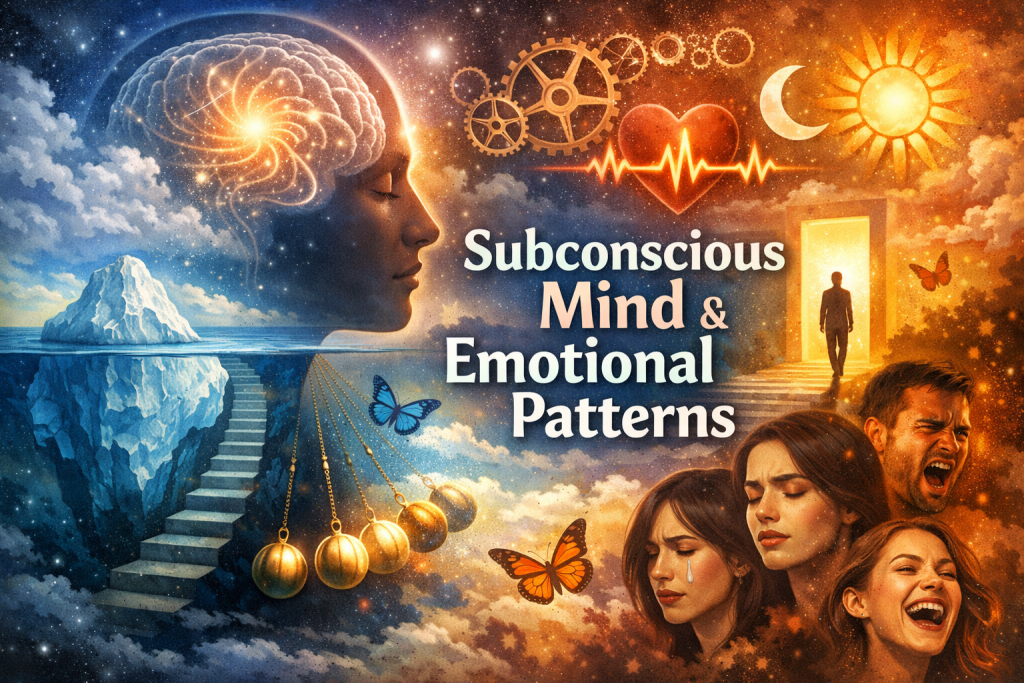

Understanding Parts Therapy and Emotional Healing
Have you ever wondered why one part of you wants success while another part is terrified of change?
Perhaps you’ve promised yourself that this time will be different.
You’ll finally set healthy boundaries.
You’ll stop doubting yourself.
You’ll leave the unhealthy relationship.
You’ll pursue the career you’ve always wanted.
Yet, when the moment arrives, something inside pulls you back.
You hesitate.
You procrastinate.
You sabotage your own progress.
It can feel frustrating and confusing.
The truth is, you’re not broken. You’re experiencing something deeply human.
Within each of us exist different emotional “parts,” each carrying its own beliefs, fears, and protective roles. Understanding these parts is often the beginning of profound emotional healing.
What Are “Parts” in Psychology?
Rather than seeing ourselves as having one single personality, many therapeutic approaches recognise that we have different emotional parts that developed throughout our lives.
Each part serves a purpose.
Some protect us.
Some motivate us.
Some carry old emotional pain.
Some still believe we’re living in situations that no longer exist.
These parts are not flaws—they are adaptations that helped us cope with life’s experiences.
When we understand them instead of fighting them, healing becomes possible.
Meeting Your Inner Parts
Although everyone’s inner world is unique, many people recognise familiar emotional patterns.
The Inner Critic
This part constantly tells you you’re not good enough.
It may sound like:
- “You’ll fail.”
- “Don’t embarrass yourself.”
- “You’re not ready.”
While painful, this voice often developed to protect you from disappointment, rejection, or criticism.
The Protector
The protector tries to keep you emotionally safe.
It may encourage you to:
- Avoid difficult conversations
- Stay in familiar situations
- Keep people at a distance
- Resist change
Although these behaviours can feel limiting, this part usually believes it’s keeping you safe.
The Perfectionist
The perfectionist believes that if everything is flawless, you won’t be judged or rejected.
It often creates:
- Burnout
- Anxiety
- Fear of making mistakes
- Difficulty celebrating achievements
Behind perfectionism often lies a deep desire to feel accepted.
The Wounded Child
The wounded child carries unmet emotional needs from earlier life experiences.
This part may hold feelings of:
- Rejection
- Loneliness
- Fear
- Shame
- Abandonment
- Not feeling “enough”
When present-day situations resemble past emotional experiences, these old feelings can resurface—even years later.
Why Suppressing Emotions Doesn’t Heal Them
Many of us grow up hearing messages like:
“Be strong.”
“Don’t cry.”
“Move on.”
Over time, we learn to suppress uncomfortable emotions rather than understand them.
But emotions don’t disappear simply because we ignore them.
Instead, they may show up as:
- Emotional triggers
- Self-sabotage patterns
- Anxiety
- People-pleasing
- Perfectionism
- Chronic stress
- Difficulty trusting others
- Repeating unhealthy relationship patterns
Healing begins not by silencing these emotions but by listening to what they are trying to communicate.
Why Do We Keep Repeating the Same Patterns?
Have you ever found yourself asking:
“Why do I keep ending up in the same situations?”
Whether it’s relationships, work, confidence, or self-worth, repeating patterns often stem from unresolved emotional experiences rather than a lack of willpower.
For example:
Someone who experienced criticism as a child may avoid promotions because success feels emotionally unsafe.
Someone who learned that love had to be earned may become a chronic people-pleaser.
Someone who experienced unpredictability may struggle to trust even healthy relationships.
These patterns often make sense when viewed through the lens of the protective parts that developed to help us cope.
How Parts Therapy Supports Emotional Healing
Parts Therapy gently helps you explore and understand the different aspects of yourself without judgment.
Rather than trying to eliminate difficult emotions, the process encourages curiosity and compassion.
Through guided exploration, you may begin to:
- Recognise recurring emotional patterns
- Understand the purpose behind protective behaviours
- Build self-awareness
- Develop greater emotional balance
- Create healthier responses to life’s challenges
When conflicting parts begin working together instead of against one another, many people experience greater inner clarity and resilience.
Healing is often about integration—not perfection.
Real-Life Examples of Internal Conflict
“I Want Love… But I Push People Away.”
One part longs for connection.
Another fears being hurt.
The result?
Relationships become difficult to maintain, even with caring people.
You will be also like to read:- What If You Needs Nervous System Healing First?
“I Want Success… But I Keep Procrastinating.”
One part dreams of growth.
Another fears failure, judgment, or increased responsibility.
Procrastination becomes protection rather than laziness.
“I Want Peace… But I Can’t Stop Overthinking.”
One part longs for calm.
Another believes constant vigilance prevents future pain.
The racing thoughts are trying to keep you prepared.
Understanding these internal conflicts can reduce self-judgment and open the door to meaningful emotional healing.
How Hypnotherapy and Parts Therapy Work Together
Hypnotherapy is often used alongside Parts Therapy to support deep relaxation and focused self-exploration.
In this calm, guided state, some people find it easier to access emotions, memories, and beliefs that may not be as readily available during everyday thinking.
Together, these approaches may help individuals:
- Explore emotional patterns with greater awareness
- Connect with protective and vulnerable parts of themselves
- Develop healthier emotional responses
- Support inner child healing
- Foster greater self-understanding
At Skanda Wellbeing, these sessions are conducted with compassion, creating a supportive environment where clients can safely explore their inner experiences at their own pace.
Healing Begins with Understanding, Not Judgment
Every emotional trigger carries a story.
Every protective behaviour once had a purpose.
Instead of asking,
“What’s wrong with me?”
Try asking,
“What part of me is asking to be heard?”
That simple shift can transform the way you experience yourself.
Healing doesn’t mean erasing your past.
It means understanding it with compassion, so it no longer defines your future.
Begin Your Journey Towards Emotional Healing
If you feel stuck in repeating emotional patterns, constantly battling your inner critic, or wondering why old wounds still influence your present, know that lasting change begins with understanding—not self-blame.
At Skanda Wellbeing, our holistic approach combines Parts Therapy, Hypnotherapy, mindfulness, and compassionate guidance to help you reconnect with the parts of yourself that are asking for attention.
When every part of you feels heard, true healing becomes possible.
Book a Parts Therapy session today and begin your journey towards emotional freedom, inner child healing, and lasting emotional wellbeing.
Frequently Asked Questions
What is Parts Therapy?
Parts Therapy is a therapeutic approach that explores different emotional aspects or “parts” of ourselves. It helps people better understand internal conflicts, protective behaviours, and emotional patterns with the goal of fostering greater self-awareness and emotional integration.
Can Parts Therapy help with self-sabotage?
Many people find that exploring the protective reasons behind self-sabotaging behaviours helps them respond with greater awareness and make healthier choices over time.
What is inner child healing?
Inner child healing involves recognising and compassionately addressing emotional wounds that may have developed during childhood and continue to influence present-day thoughts, emotions, and relationships.
Can hypnotherapy support trauma healing?
Hypnotherapy may be used as part of a broader therapeutic approach by qualified practitioners to support relaxation, self-exploration, and emotional processing. It is not a replacement for appropriate medical or psychological care when needed.